Karachi is not a city you tick off in an afternoon. It is huge, busy and full of contrasts: Victorian-era stone buildings next to crowded bazaars, a marble mausoleum a short drive from a long coastline, and some of the best street food in Pakistan on almost every corner. For a first-time visitor, the hardest part is deciding where to begin.
This three-day plan is built around how the city actually works. It groups places by area so you spend your time seeing things instead of sitting in traffic, and it leaves room for meals and rest. You can follow it exactly or swap days around to suit your flight times and energy.
One honest note before we start: opening hours, ticket prices and even entry rules at museums, parks and beaches change from time to time, and some places close on certain days or for prayers. Please check the current timings before you go, and ask the staff at your guest house or hotel, who usually know the latest.
Before you go: the basics
The best time to visit
The most comfortable months are roughly November to February, when days are warm rather than hot and the sea breeze makes evenings pleasant. From late spring through summer Karachi gets hot and humid, so plan outdoor sightseeing for early morning and after sunset. During the monsoon months, heavy rain can flood roads and slow everything down, so keep your plans flexible if you travel then.
Getting around
Karachi is spread out, and distances look short on a map but can take a long time at peak hours. For most visitors the easiest options are ride-hailing apps or hiring a car with a driver for a day. Fix the price or confirm the fare in the app before you start, and keep your phone charged. Whichever you choose, add extra time between stops, especially on weekday mornings and evenings and on Fridays around prayer time.
Money, dress and etiquette
Carry some cash in small notes for tickets, snacks, tips and small shops, because not every place takes cards. Dress comfortably and modestly: loose cotton clothes, a light scarf or cap, and comfortable shoes for walking. Many people will be happy to help or chat if you are polite, and it is normal to ask before taking close-up photos of people.
Staying sensible and safe
Karachi is a big city, and like any big city it rewards common sense. Keep your valuables out of sight, avoid walking alone in quiet areas late at night, stay on main roads, and keep a copy of your ID and the address of your guest house on your phone. Before you travel, check recent local news and your own country’s travel advice, and ask your host which areas are best to visit on the day you plan to go.
Day 1: The historic centre
Start in the older part of the city, where Karachi’s history is easiest to see. Everything on this day is in the same general area, so you can see a lot without long drives.
Morning: Mazar-e-Quaid
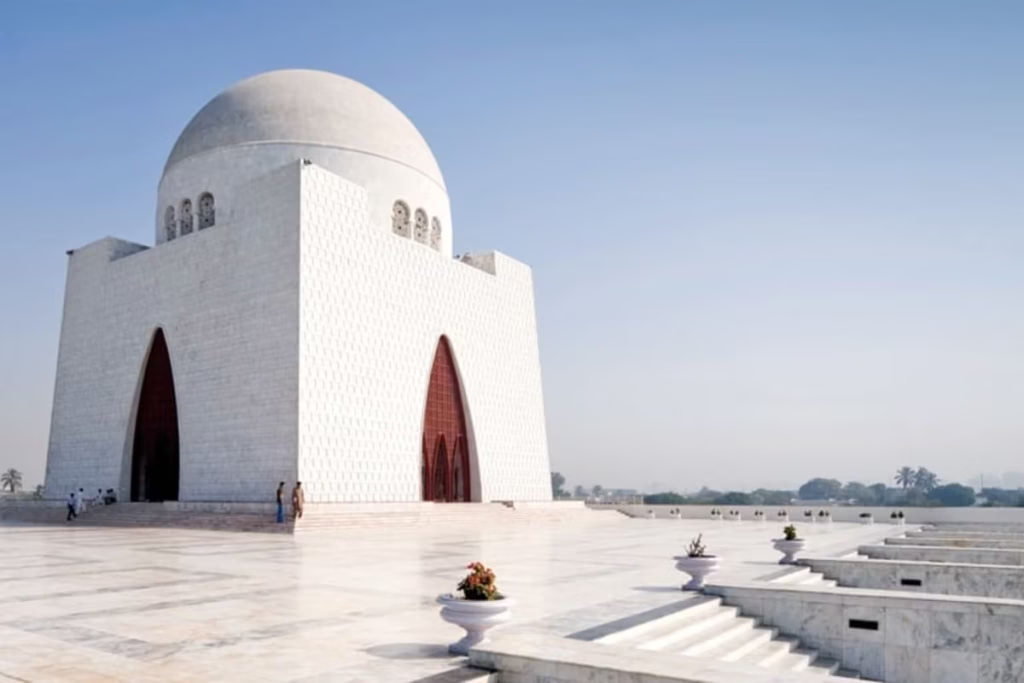
The Quaid-e-Azam Mausoleum, the resting place of Muhammad Ali Jinnah, is one of the city’s best-known landmarks. The white marble building stands in landscaped grounds and is calm and quiet compared with the roads around it. Go early, when the light is soft and the grounds are not crowded, and allow about an hour. Dress modestly and follow the instructions of the staff on site.
Late morning: Frere Hall
Frere Hall is a colonial-era building from the 1860s, set in a large garden in the Saddar area. Even if you only walk around the outside and the grounds, it gives a good sense of the city’s past. Nearby you will also find other old buildings from the same period, so it is a pleasant area for a slow walk.
Midday: Empress Market and Saddar
Empress Market is a Gothic-style landmark from the late nineteenth century that is still a working market. Inside and around it you will find spices, fruit, vegetables and household goods, all packed together and very lively. It is crowded and noisy, so keep your bag in front of you and go with a plan rather than wandering for hours. If you enjoy shopping, the streets and lanes around Saddar are good for books, handicrafts, fabrics and small gifts.
Afternoon: rest, or a museum
By now you will have walked a lot and eaten little, so take a proper break. If you still have energy, the National Museum of Pakistan in Karachi is worth a visit for its collection on the region’s history and culture. Check its opening days before you go.
Evening: street food on and around Burns Road
Burns Road is famous across Pakistan for its food. This is the place to try Karachi staples such as nihari (slow-cooked beef or mutton stew, usually eaten with naan), haleem, kebabs and rolls, finished with a sweet like falooda or a cup of strong tea. Go with an appetite and, if you are not used to street food, choose busy, popular places where the food is cooked fresh in front of you.
Day 2: Clifton and the sea
Day 2 moves to the south of the city, where the coast is. It is a more relaxed day, with plenty of fresh air and a long evening by the water.
Morning: Mohatta Palace
Mohatta Palace in Clifton was built in the 1920s as a seaside home and is now a museum. The building itself, made of pink and yellow stone with domes, arches and balconies, is the main attraction, and its exhibitions change over time. It is a quiet and beautiful place to start the day, and photography around the building is usually rewarding.
Late morning to lunch: Clifton and Do Darya
The Clifton area has many cafes and restaurants, which makes it an easy place to take a long, slow lunch. If you want a sea view with your meal, the seafront restaurant strip at Do Darya in DHA is a popular choice, though it is further out, so plan the trip with your driver.
Afternoon: Clifton Beach and the seafront
Clifton Beach and the seafront promenade are where many families and groups of friends spend their evenings. Walk along the water, watch the camel and horse rides, and enjoy snacks such as corn, chaat and ice lollies from the stalls. The sea can be rough and the currents strong in many places, so treat the water with respect and avoid swimming unless you are in an area clearly set up for it.
Evening: sunset and dinner
Time your dinner around sunset. You can eat on the seafront, or head to Port Grand, a waterfront area near the harbour with restaurants and entertainment that is popular in the evening. After the heat of the day, this is the best time to be outdoors, and Karachi has a very different feel after dark.
Day 3: choose your own style
By the third day you will know how you like to travel, so here are two different ways to spend it. Choose the one that matches your mood.
Option A: Island and beach day
If you want more sea, take a boat from Keamari to Manora Island, a small stretch of land at the entrance of the harbour, known for its beach and old lighthouse. Boats and conditions depend on the weather and sea, so check before you go and avoid the trip on rough days. Another popular choice on the western side of the city is Hawksbay or Sandspit beach. Go early, take water and sun protection, and be careful about swimming, as lifeguards and safe swimming areas may be limited.
Option B: Museums, parks and a slower day
If you prefer something calmer, spend the day on the city’s eastern side. The PAF Museum on Shahrah-e-Faisal has aircraft displays and open grounds, and it is close to the airport side of the city. From there you can continue towards Gulistan-e-Johar and visit Safari Park and the University Road area, which is a good option for families with children. This route also suits you if your flight is late in the day, because you finish close to the airport.
If you only have a few hours
If you have just one free afternoon, combine Mazar-e-Quaid in the late morning with Frere Hall and Empress Market, and finish with dinner at Burns Road. If you have one evening, go to the seafront at Clifton for sunset and dinner.
What to eat in Karachi
Food is half of the reason people fall in love with this city. Here is a short list to guide you:
- Nihari: a rich, slow-cooked stew, traditionally eaten for breakfast or late at night with naan.
- Biryani: Karachi’s spicy rice dish with meat or chicken and potatoes, served with raita.
- Haleem: a thick, savoury mix of lentils, grains and meat, topped with ginger, lemon and fried onions.
- Bun kebab: the city’s own street burger, a spiced patty in a soft bun, cheap and very popular.
- Seafood: fried or grilled fish and prawns, best eaten at busy, reputable places near the coast.
- Chai and sweets: strong tea with milk, falooda, kulfi and gola ganda (shaved ice with syrup) to cool down.
If you have a sensitive stomach, start slowly, drink bottled or properly filtered water, and choose places with a lot of customers.
Where to stay for this plan
Where you stay shapes your trip, because Karachi traffic is heavy. A few points may help you choose.
- Near the airport (Model Colony, Moinabad, Kazimabad): the best choice if you have an early morning or late night flight, or a short stopover. You save time and avoid a long ride at the start and end of your trip.
- Gulistan-e-Johar: a busy residential and commercial area on the way to University Road, with easy access to the eastern side of the city.
- Clifton and Saddar: better if you plan to spend most of your time in the south of the city and prefer to be close to the sea or the historic centre.
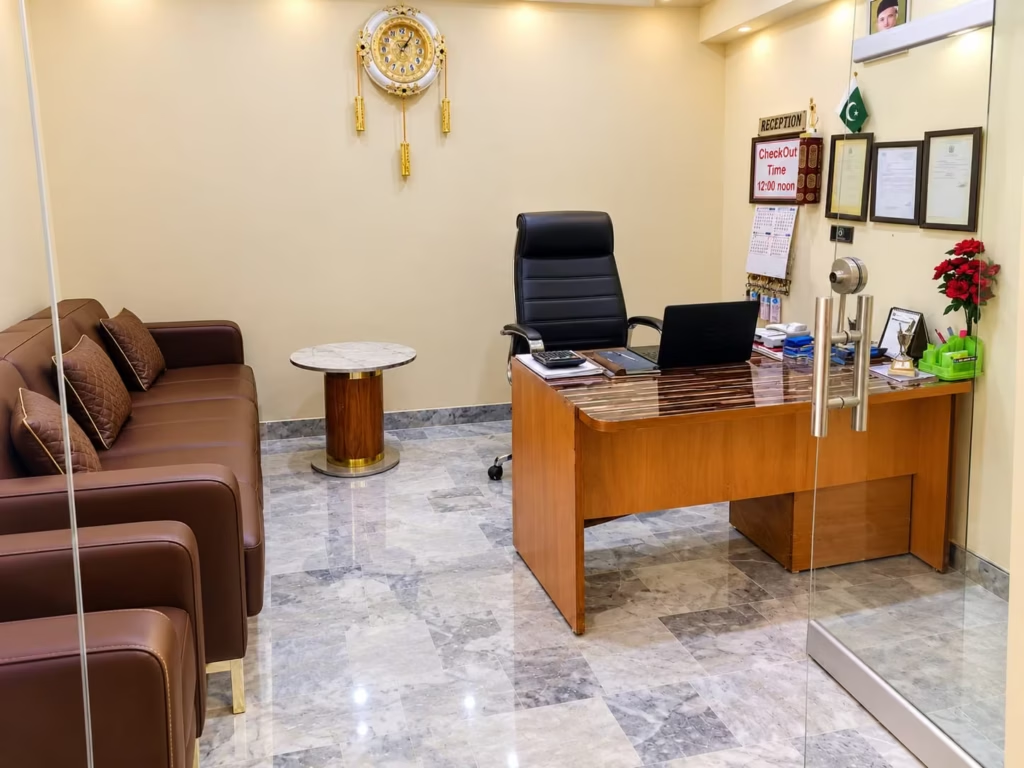
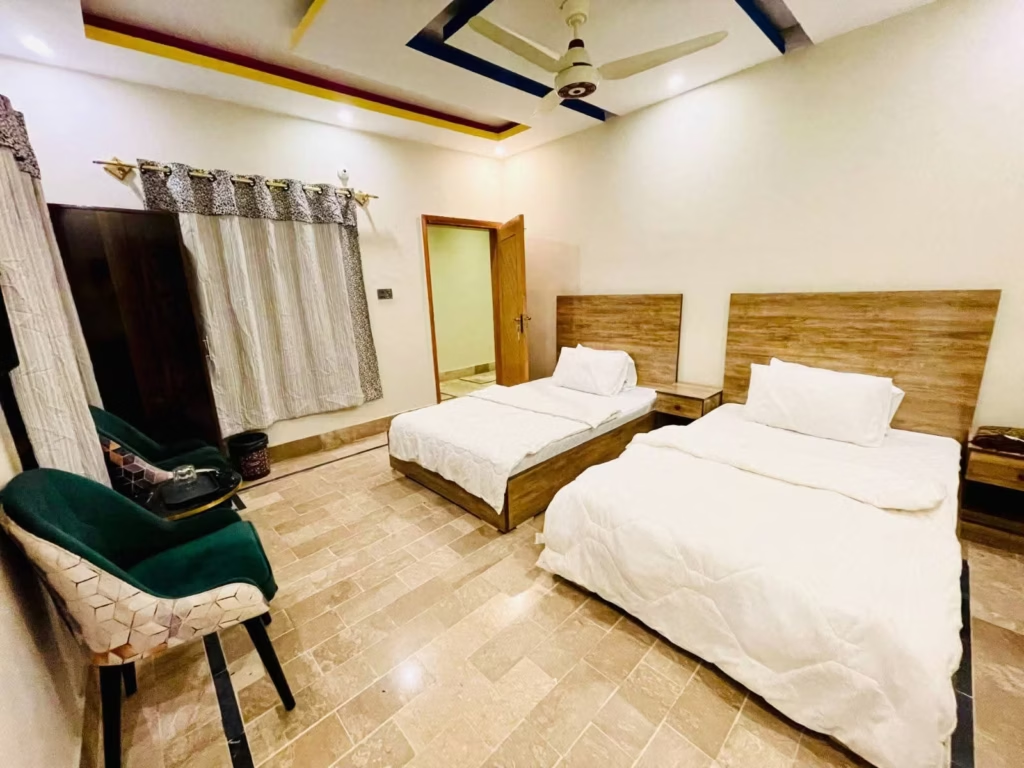
Rehaish Group runs four guest houses in Karachi. Bed & Rest is about 2 km from Jinnah International Airport, Rehaish Inn and Pearl Cottage are about 3 km from it, and Hotel Crown Plaza in Gulistan-e-Johar is about 7 km away by road. All of them take bookings directly by phone or WhatsApp.
Quick tips for your three days
- Start early. The morning is the best time for outdoor sights, and roads are calmer.
- Group places by area and avoid crossing the city more than once a day.
- Keep your plan flexible. Weather, traffic and prayer times can change the day.
- Carry water, sun protection, a power bank and some cash.
- Keep your ID and your guest house address handy, and tell your host where you are going.
- Do not rush. It is better to see fewer places well than many in a blur.
Frequently asked questions
Is three days enough for Karachi?
Three days is enough for a good first look at the main sights, the food and the sea, but not to see everything. Many visitors find they want to come back for more.
What is the best way to get around Karachi?
Most visitors use ride-hailing apps or a hired car with a driver. A driver for the day can be convenient if you plan to visit several areas.
Do I need to book a guest house in advance?
It is wise to book ahead, especially at weekends, during holidays and for longer stays. Call or message the guest house to confirm availability, rates and check-in rules.
Is Karachi suitable for families?
Yes. Many of the places in this plan, such as the beaches, parks and museums, are enjoyed by families. Choose a guest house or hotel that offers family-friendly rooms and ask about the rules for check-in.
Final thoughts
Karachi rewards curious travellers who are willing to go slowly, eat well and talk to people. Use this plan as a starting point, adjust it to your own pace, and ask local people for their favourite places. They will almost always have a suggestion you will not find in a guidebook.